
DevilFireTwins: A Thrilling Adventure Game with Exciting Twists
Dive into the unique world of DevilFireTwins, where players face off against mystical challenges and unravel deep secrets.


Card games have been an integral part of human culture for centuries, offering entertainment, strategic challenges, and social interaction. With their origin shrouded in mystery, these games have traversed continents and cultures, evolving to encompass a wide array of forms and rules. As we explore the vast domain of card games, it becomes clear that there is more to these simple decks of cards than meets the eye.
Historically, card games are believed to have originated in China, with early mentions dating back to the Tang dynasty. These early Chinese cards were known as "leaves" and were broadly used for entertainment purposes. From China, the concept of card playing spread to the Islamic world, where cards were adapted and further diversified.JiLiKK.COM
It was through trade routes and cultural exchanges that card games eventually made their way to Europe during the late Middle Ages. European card decks initially mirrored the Islamic designs in terms of suits but soon evolved to reflect the societal structures of the time. The deck of 52 cards that we recognize today, including its suits of hearts, diamonds, clubs, and spades, began to take shape in 15th-century France.JL29
One of the most iconic card games globally is poker, renowned for its blend of skill, strategy, and luck. Poker exists in numerous variants, with Texas Hold'em and Omaha being among the most popular. The game revolves around players betting on the strength of their hand, with the objective to either have the best hand at showdown or to successfully bluff opponents into folding.
Blackjack, sometimes referred to as 21, is a staple in casinos worldwide. The game is simple: players aim to have a hand value as close to 21 as possible without exceeding it. Players compete against the dealer, and decisions like hit, stand, split, or double down can determine the outcome.
Bridge is a trick-taking game that requires partnership and deep strategic thinking. Played with a standard deck, four players form two teams. The game's objective is to accurately predict the number of tricks one's team can win, leading to complex bidding processes that reflect the players' hands.
Unlike most card games, solitaire is typically a one-player experience. It involves arranging cards according to specific rules and has numerous variations, with Klondike being the most well-known. Solitaire offers both a challenge and a meditative experience that has charmed players for generations.JLJL22
Card games have always held cultural significance beyond mere entertainment. Throughout history, they have been used for gambling, bringing with them various social and ethical concerns. In some cultures, card games were once regarded with suspicion, while in others, they demonstrated one's strategic acumen and social skills. They also serve as a vehicle for storytelling, with some games incorporating lore and historical narratives within their mechanics.JL29
In recent years, card games have experienced a renaissance, partly due to the rise of online platforms. This digital transformation has introduced traditional games to new audiences and allowed for innovations that combine traditional card playing with modern technology. Furthermore, collectible card games like ll777ph have emerged, creating vibrant communities and economies centered around them.
These digital card games often incorporate intricate graphics and complex rules, offering depth and replayability that rival their physical counterparts. They have not only reached a global audience but have also become a significant part of e-sports and competitive gaming.
As technology continues to evolve, so will card games. Augmented reality (AR) and virtual reality (VR) present new avenues for immersive card-playing experiences, blending the physical with the digital. Whether traditional or digital, the core appeal of card games remains their ability to bring people together, offer intellectual challenges, and provide endless entertainment.
In conclusion, card games are a rich tapestry woven into the fabric of human history. They reflect cultural values, provide social interaction, and challenge our strategic thinking. As we venture into the future, it is clear that card games will continue to adapt and thrive, ensuring their place in the global entertainment landscape.
ninong gaming ph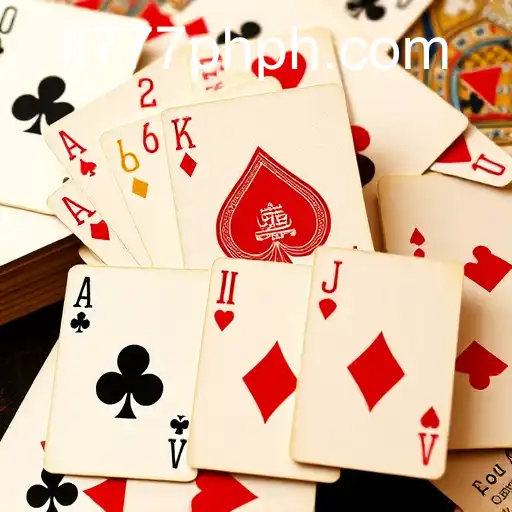
If you're looking for a reliable, fully licensed, and secure sportsbook with a wide selection of games, ll777ph is the perfect choice. We're committed to providing you with the best online betting experience, with premium quality, excellent service, and continuous innovation. Sign up now and receive ₱777 for free!
Join now
Get the latest information, experience and betting strategies from the expert team at ll777ph.
Dive into the unique world of DevilFireTwins, where players face off against mystical challenges and unravel deep secrets.

Explore the captivating universe of GoHighFruit, the latest sensation in gaming that combines strategy, adventure, and interactive fun.

Explore the captivating game GoHighHarvest, delving into its unique features, introduction, and exciting rules.

Explore the captivating world of EgyptTreasure, a game that combines adventure and history. Discover how it's played and why it has captured the imagination of players worldwide.

Discover the immersive world of ThorX, a groundbreaking new game, with comprehensive insights into its introduction, gameplay, and rules.

Explore the exciting world of FortuneTreasure, understanding its gameplay and rules, while connecting to the ongoing trends in gaming.
 Join now